Reliable shipping packaging is becoming more important
There is a good chance you are familiar with Chinese webshops such as Temu and Shein. Almost half of consumers in Europe’s largest markets have already purchased something from them, and nearly every online shopper knows these platforms. The Aeternus report shows that an increasing proportion of Dutch orders are shipped directly from Chinese factories. Between 85 and 95 per cent of these orders are stopped by customs because they do not comply with European product legislation. “What’s striking is that, despite their enormous brand awareness, these webshops struggle to build customer loyalty”, says Rob. The Amazon Shopper Report shows that growth has stagnated at around 50 per cent when comparing 2024 to 2025. “Anyone selling products in Europe must comply with packaging and product regulations. To stand out from these Chinese webshops, it’s important to focus on reliability. That goes beyond simply complying with laws and regulations. Many Chinese products are shipped in simple, thin mailing bags. Your letterbox parcel can inspire confidence with a recognisable design and packaging that visibly feels sturdy, especially for heavier products. Also make sure you clearly communicate on your website what customers can expect from delivery. This prevents doubt and strengthens trust in your brand.”
Watch out for unnecessarily high shipping costs
Platforms such as Bol.com and Amazon continue to grow as well. In 2024, Bol.com strengthened its position as the largest online retailer in the Netherlands with a turnover of €3.1 billion and more than 50,000 sales partners. The Netherlands is one of the few countries where Amazon does not yet have a dominant position, but that is set to change. In the coming years, Amazon will invest €1.4 billion to accelerate its growth in the Dutch market.
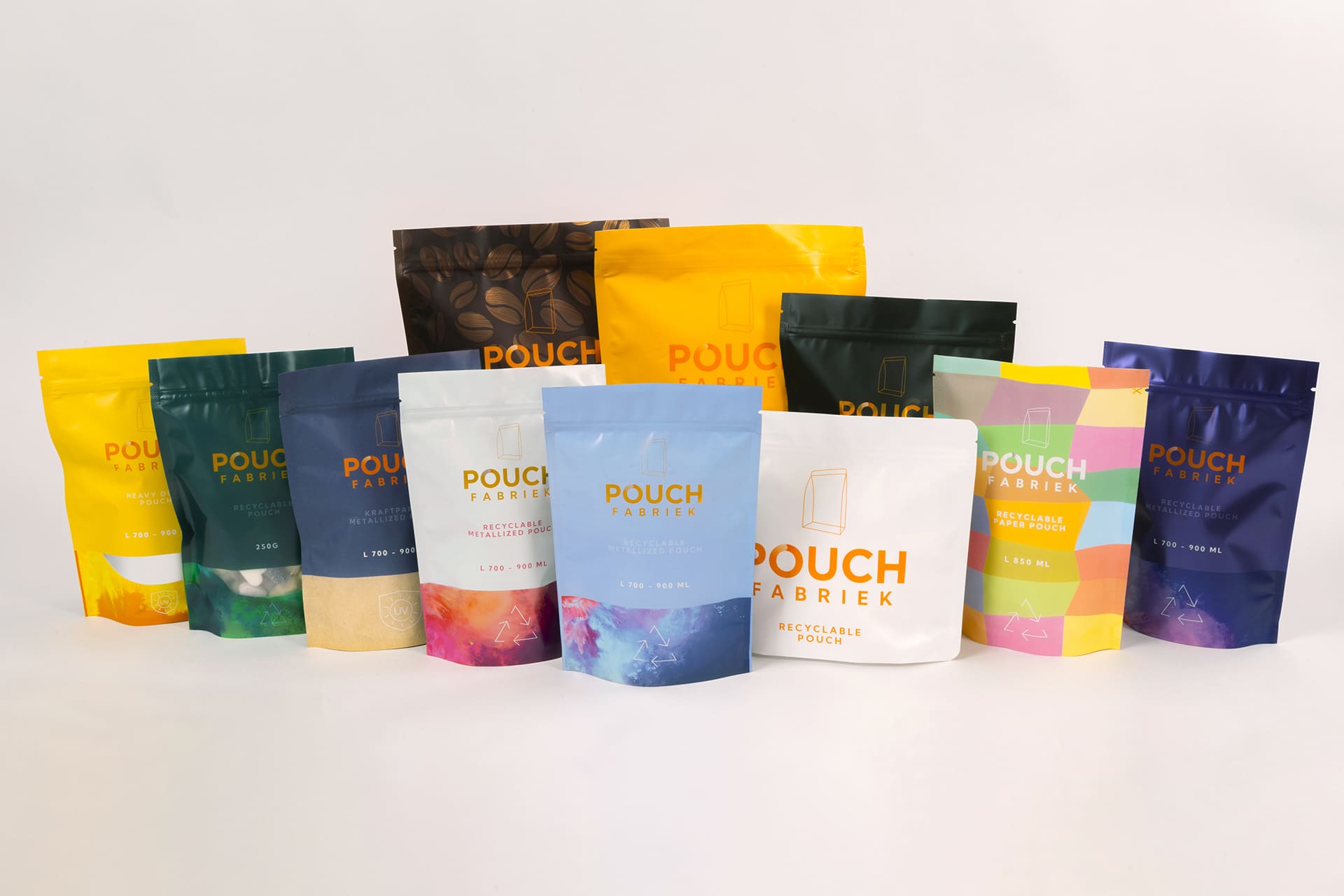
Rob sees that the growing dominance of these platforms is leading more and more smaller webshops to offer their products through them. “Bol.com and Amazon impose strict requirements on packaging”, he explains. “Think of dimensions, barcodes and guidelines to prevent product damage. For start-ups in particular, these requirements can be overwhelming. That’s why it’s important to seek good advice when launching a new product line – to ensure the packaging not only meets those requirements, but also suits your product and brand.” In practice, Rob often sees webshops ‘playing it safe’ by shipping products in packaging that is larger than necessary. “For consumers, this results in unnecessary extra shipping costs, which can quickly lead to negative reviews. If you choose a pouch, your product can often even be shipped without a box. The packaging itself fits closely around the contents, with as little wasted space as possible.”
Businesses are missing opportunities when it comes to sustainability
Another issue that strongly resonates with consumers is sustainability. The Aeternus report shows that many companies struggle to translate this into concrete improvements in their product packaging. “Many e-commerce businesses are looking for ways to reduce their visible environmental impact, for example by minimising empty space in packaging or using reusable materials”, says Rob. “At the same time, many orders are still delivered by diesel vans. This is where sustainability often falls short.” However, sustainable packaging doesn’t have to be difficult: “A pouch can be made entirely from a single type of plastic, such as mono-PE or mono-PP. This makes the packaging highly recyclable within existing recycling streams.” Rob also sees clear opportunities for brands in transport. “Pouches are lightweight and easy to stack. They take up less space during transport, which directly contributes to lower CO₂ emissions throughout the supply chain.” By 2030, sustainability will no longer be optional. With the introduction of the PPWR guidelines, e-commerce companies will be required, among other things, to ensure that shipping packaging contains no more than 50 per cent empty space. “Those who start packaging smartly now will be better prepared for the future.”
Gaining an advantage in the event of acquisitions
If you run a successful webshop, a takeover will likely become an option at some point. Investors look at factors such as scalability, customer loyalty and how efficiently the entire process – from packaging to delivery – is organised. According to the report, packaging plays an indirect but important role in this. “Webshops with a well-thought-out packaging strategy, such as private-label products with recognisable branding or a streamlined order and shipping process, are often more attractive to investors”, Rob explains. The report also highlights that acquisitions provide access to specialist knowledge and purchasing channels. “For webshops with many own-brand products, this means greater control over product and packaging specifications. That control can be a real advantage when margins are under pressure or when stricter requirements are introduced for material use.”